Show PDB file:   
         Plain Text   HTML   (compressed file size)
QuickSearch:   
by PDB,NDB,UniProt,PROSITE Code or Search Term(s)  
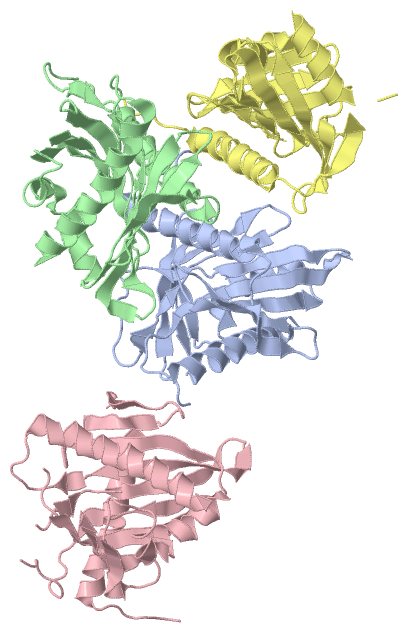
(-)Asymmetric Unit
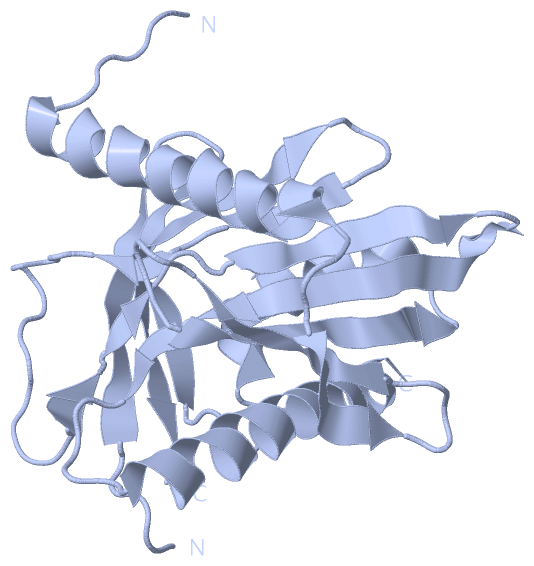
(-)Biological Unit 1
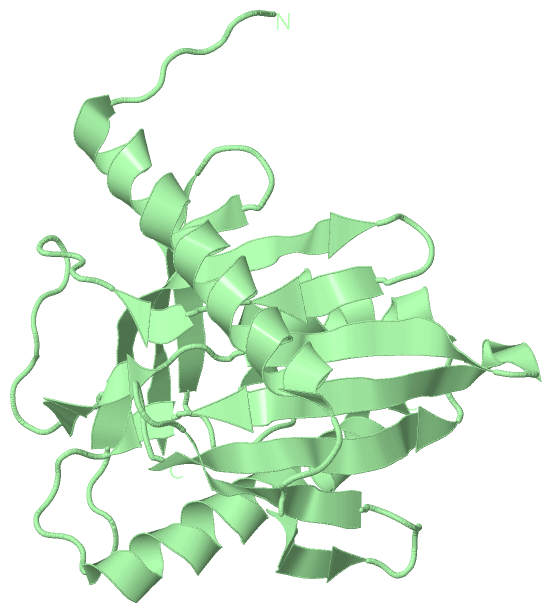
(-)Biological Unit 2
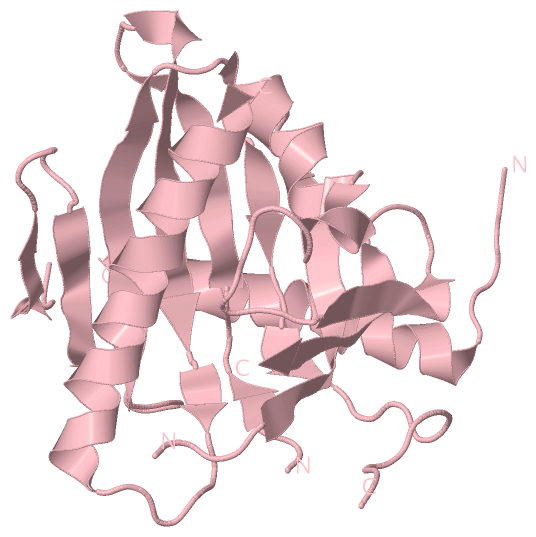
(-)Biological Unit 3
(-)Biological Unit 4
collapse expand < >
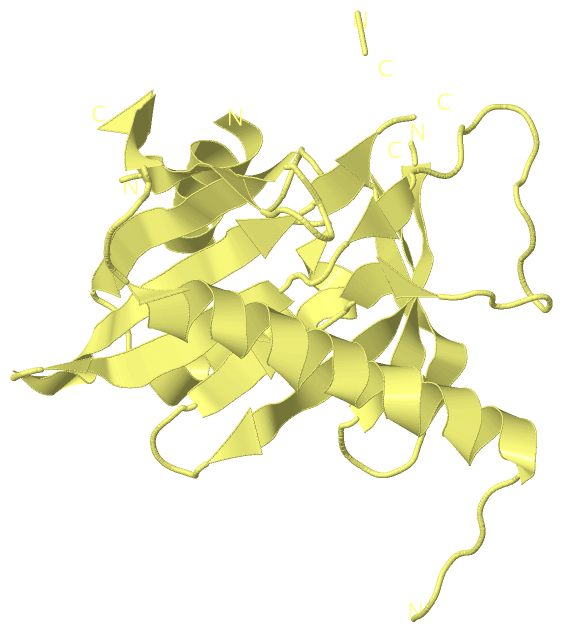
Image Asymmetric Unit
Asymmetric Unit  (Jmol Viewer)
Image Biological Unit 1
Biological Unit 1  (Jmol Viewer)
Image Biological Unit 2
Biological Unit 2  (Jmol Viewer)
Image Biological Unit 3
Biological Unit 3  (Jmol Viewer)
Image Biological Unit 4
Biological Unit 4  (Jmol Viewer)

(-) Description

Title :  HUMAN STEROIDOGENIC ACUTE REGULATORY PROTEIN
 
Authors :  L. Lehtio, M. Siponen, C. H. Arrowsmith, H. Berglund, R. D. Busam, R. Col L. G. Dahlgren, A. M. Edwards, S. Flodin, A. Flores, S. Graslund, M. Ham B. M. Hallberg, M. D. Herman, A. Johansson, I. Johansson, A. Kallas, T. T. Kotenyova, M. Moche, M. E. Nilsson, P. Nordlund, T. Nyman, C. Persso J. Sagemark, M. Sundstrom, L. Svensson, A. G. Thorsell, L. Tresaugues Den Berg, J. Weigelt, M. Welin, H. Schuler, Structural Genomics Co (Sgc)
Date :  29 Sep 10  (Deposition) - 24 Nov 10  (Release) - 21 Sep 11  (Revision)
Method :  X-RAY DIFFRACTION
Resolution :  3.40
Chains :  Asym. Unit :  A,B,C,D
Biol. Unit 1:  A  (1x)
Biol. Unit 2:  B  (1x)
Biol. Unit 3:  C  (1x)
Biol. Unit 4:  D  (1x)
Keywords :  Structural Genomics Consortium, Sgc, Start Domain, Cholesterol Transport, Cholesterol, Mitochondria, Transport Protein (Keyword Search: [Gene Ontology, PubMed, Web (Google)] )
 
Reference :  A. G. Thorsell, W. H. Lee, C. Persson, M. I. Siponen, M. Nilsson, R. D. Busam, T. Kotenyova, H. Schuler, L. Lehtio
Comparative Structural Analysis Of Lipid Binding Start Domains.
Plos One V. 6 19521 2011
PubMed-ID: 21738568  |  Reference-DOI: 10.1371/JOURNAL.PONE.0019521

(-) Compounds

Molecule 1 - STEROIDOGENIC ACUTE REGULATORY PROTEIN, MITOCHONDRIAL
    Chains: A, B, C, D
    Engineered: YES
    Expression System: ESCHERICHIA COLI
    Expression System Plasmid: PNIC-BSA4
    Expression System Strain: BL21(DE3)R3 PRARE
    Expression System Taxid: 469008
    Expression System Vector Type: PLASMID
    Fragment: START DOMAIN, UNP RESIDUES 66-284
    Gene: STAR, STARD1
    Organism Common: HUMAN
    Organism Scientific: HOMO SAPIENS
    Organism Taxid: 9606
    Synonym: STAR, START DOMAIN-CONTAINING PROTEIN 1, STARD1

 Structural Features

(-) Chains, Units

  1234
Asymmetric Unit : ABCD
Biological Unit 1 (1x): A   
Biological Unit 2 (1x):  B  
Biological Unit 3 (1x):   C 
Biological Unit 4 (1x):    D

Summary Information (see also Sequences/Alignments below)

(-) Ligands, Modified Residues, Ions  (0, 0)

(no "Ligand,Modified Residues,Ions" information available for 3P0L)

(-) Sites  (0, 0)

(no "Site" information available for 3P0L)

(-) SS Bonds  (0, 0)

(no "SS Bond" information available for 3P0L)

(-) Cis Peptide Bonds  (0, 0)

(no "Cis Peptide Bond" information available for 3P0L)

 Sequence-Structure Mapping

(-) SAPs(SNPs)/Variants  (9, 35)

Asymmetric Unit (9, 35)
  dbSNPPDB
No.SourceVariant IDVariantUniProt IDStatusIDChainVariant
1UniProtVAR_034520R121WSTAR_HUMANPolymorphism34908868A/B/C/DR121W
2UniProtVAR_014236E169GSTAR_HUMANDisease (AH1)  ---A/B/C/DE169G
3UniProtVAR_014237E169KSTAR_HUMANDisease (AH1)747169620A/B/C/DE169K
4UniProtVAR_005627R182LSTAR_HUMANDisease (AH1)104894086A/B/C/DR182L
5UniProtVAR_005628A203DSTAR_HUMANPolymorphism1042854A/B/C/DA203D
6UniProtVAR_014238R217TSTAR_HUMANDisease (AH1)28938471A/B/C/DR217T
7UniProtVAR_014239A218VSTAR_HUMANDisease (AH1)137852690A/B/C/DA218V
8UniProtVAR_014240M225TSTAR_HUMANDisease (AH1)  ---A/B/C/DM225T
9UniProtVAR_014242L275PSTAR_HUMANDisease (AH1)762245736A/B/CL275P

  SNP/SAP Summary Statistics (UniProtKB/Swiss-Prot)
Biological Unit 1 (9, 9)
  dbSNPPDB
No.SourceVariant IDVariantUniProt IDStatusIDChainVariant
1UniProtVAR_034520R121WSTAR_HUMANPolymorphism34908868AR121W
2UniProtVAR_014236E169GSTAR_HUMANDisease (AH1)  ---AE169G
3UniProtVAR_014237E169KSTAR_HUMANDisease (AH1)747169620AE169K
4UniProtVAR_005627R182LSTAR_HUMANDisease (AH1)104894086AR182L
5UniProtVAR_005628A203DSTAR_HUMANPolymorphism1042854AA203D
6UniProtVAR_014238R217TSTAR_HUMANDisease (AH1)28938471AR217T
7UniProtVAR_014239A218VSTAR_HUMANDisease (AH1)137852690AA218V
8UniProtVAR_014240M225TSTAR_HUMANDisease (AH1)  ---AM225T
9UniProtVAR_014242L275PSTAR_HUMANDisease (AH1)762245736AL275P

  SNP/SAP Summary Statistics (UniProtKB/Swiss-Prot)
Biological Unit 2 (9, 9)
  dbSNPPDB
No.SourceVariant IDVariantUniProt IDStatusIDChainVariant
1UniProtVAR_034520R121WSTAR_HUMANPolymorphism34908868BR121W
2UniProtVAR_014236E169GSTAR_HUMANDisease (AH1)  ---BE169G
3UniProtVAR_014237E169KSTAR_HUMANDisease (AH1)747169620BE169K
4UniProtVAR_005627R182LSTAR_HUMANDisease (AH1)104894086BR182L
5UniProtVAR_005628A203DSTAR_HUMANPolymorphism1042854BA203D
6UniProtVAR_014238R217TSTAR_HUMANDisease (AH1)28938471BR217T
7UniProtVAR_014239A218VSTAR_HUMANDisease (AH1)137852690BA218V
8UniProtVAR_014240M225TSTAR_HUMANDisease (AH1)  ---BM225T
9UniProtVAR_014242L275PSTAR_HUMANDisease (AH1)762245736BL275P

  SNP/SAP Summary Statistics (UniProtKB/Swiss-Prot)
Biological Unit 3 (9, 9)
  dbSNPPDB
No.SourceVariant IDVariantUniProt IDStatusIDChainVariant
1UniProtVAR_034520R121WSTAR_HUMANPolymorphism34908868CR121W
2UniProtVAR_014236E169GSTAR_HUMANDisease (AH1)  ---CE169G
3UniProtVAR_014237E169KSTAR_HUMANDisease (AH1)747169620CE169K
4UniProtVAR_005627R182LSTAR_HUMANDisease (AH1)104894086CR182L
5UniProtVAR_005628A203DSTAR_HUMANPolymorphism1042854CA203D
6UniProtVAR_014238R217TSTAR_HUMANDisease (AH1)28938471CR217T
7UniProtVAR_014239A218VSTAR_HUMANDisease (AH1)137852690CA218V
8UniProtVAR_014240M225TSTAR_HUMANDisease (AH1)  ---CM225T
9UniProtVAR_014242L275PSTAR_HUMANDisease (AH1)762245736CL275P

  SNP/SAP Summary Statistics (UniProtKB/Swiss-Prot)
Biological Unit 4 (8, 8)
  dbSNPPDB
No.SourceVariant IDVariantUniProt IDStatusIDChainVariant
1UniProtVAR_034520R121WSTAR_HUMANPolymorphism34908868DR121W
2UniProtVAR_014236E169GSTAR_HUMANDisease (AH1)  ---DE169G
3UniProtVAR_014237E169KSTAR_HUMANDisease (AH1)747169620DE169K
4UniProtVAR_005627R182LSTAR_HUMANDisease (AH1)104894086DR182L
5UniProtVAR_005628A203DSTAR_HUMANPolymorphism1042854DA203D
6UniProtVAR_014238R217TSTAR_HUMANDisease (AH1)28938471DR217T
7UniProtVAR_014239A218VSTAR_HUMANDisease (AH1)137852690DA218V
8UniProtVAR_014240M225TSTAR_HUMANDisease (AH1)  ---DM225T

  SNP/SAP Summary Statistics (UniProtKB/Swiss-Prot)

(-) PROSITE Motifs  (1, 4)

Asymmetric Unit (1, 4)
 PROSITEUniProtKBPDB
No.IDACDescriptionIDLocationCountLocation
1STARTPS50848 START domain profile.STAR_HUMAN67-280


  4A:67-276
B:67-276
C:67-276
D:67-274
Biological Unit 1 (1, 1)
 PROSITEUniProtKBPDB
No.IDACDescriptionIDLocationCountLocation
1STARTPS50848 START domain profile.STAR_HUMAN67-280


  1A:67-276
-
-
-
Biological Unit 2 (1, 1)
 PROSITEUniProtKBPDB
No.IDACDescriptionIDLocationCountLocation
1STARTPS50848 START domain profile.STAR_HUMAN67-280


  1-
B:67-276
-
-
Biological Unit 3 (1, 1)
 PROSITEUniProtKBPDB
No.IDACDescriptionIDLocationCountLocation
1STARTPS50848 START domain profile.STAR_HUMAN67-280


  1-
-
C:67-276
-
Biological Unit 4 (1, 1)
 PROSITEUniProtKBPDB
No.IDACDescriptionIDLocationCountLocation
1STARTPS50848 START domain profile.STAR_HUMAN67-280


  1-
-
-
D:67-274

(-) Exons   (5, 20)

Asymmetric Unit (5, 20)
 ENSEMBLUniProtKBPDB
No.Transcript IDExonExon IDGenome LocationLengthIDLocationLengthCountLocationLength
1.1aENST000002764491aENSE00002137623chr8:38008783-38008273511STAR_HUMAN1-22220--
1.3aENST000002764493aENSE00000980246chr8:38006272-38006159114STAR_HUMAN22-60390--
1.3dENST000002764493dENSE00001325953chr8:38005845-38005718128STAR_HUMAN60-102434A:64-102
B:64-102
C:64-102 (gaps)
D:64-101
39
39
39
38
1.4bENST000002764494bENSE00000980248chr8:38003965-38003807159STAR_HUMAN103-155534A:103-155
B:103-155
C:103-155
D:107-155
53
53
53
49
1.5bENST000002764495bENSE00000980249chr8:38003665-38003481185STAR_HUMAN156-217624A:156-217 (gaps)
B:156-217 (gaps)
C:156-217 (gaps)
D:156-217 (gaps)
62
62
62
62
1.5eENST000002764495eENSE00000980250chr8:38002833-3800274094STAR_HUMAN217-248324A:217-248
B:217-248
C:217-248
D:217-248
32
32
32
32
1.5hENST000002764495hENSE00002130335chr8:38001904-38001167738STAR_HUMAN249-285374A:249-276
B:249-276
C:249-276
D:262-274
28
28
28
13

(-) Sequences/Alignments

Asymmetric Unit
   Reformat: Number of residues per line =  ('0' or empty: single-line sequence representation)
  Number of residues per labelling interval =   
  UniProt sequence: complete  aligned part    
   Show mapping: SCOP domains CATH domains Pfam domains Secondary structure (by author)
SAPs(SNPs) PROSITE motifs Exons
(details for a mapped element are shown in a popup box when the mouse pointer rests over it)
Chain A from PDB  Type:PROTEIN  Length:210
 aligned with STAR_HUMAN | P49675 from UniProtKB/Swiss-Prot  Length:285

    Alignment length:213
                                    73        83        93       103       113       123       133       143       153       163       173       183       193       203       213       223       233       243       253       263       273   
           STAR_HUMAN    64 EETLYSDQELAYLQQGEEAMQKALGILSNQEGWKKESQQDNGDKVMSKVVPDVGKVFRLEVVVDQPMERLYEELVERMEAMGEWNPNVKEIKVLQKIGKDTFITHELAAEAAGNLVGPRDFVSVRCAKRRGSTCVLAGMATDFGNMPEQKGVIRAEHGPTCMVLHPLAGSPSKTKLTWLLSIDLKGWLPKSIINQVLSQTQVDFANHLRKRLE 276
               SCOP domains --------------------------------------------------------------------------------------------------------------------------------------------------------------------------------------------------------------------- SCOP domains
               CATH domains --------------------------------------------------------------------------------------------------------------------------------------------------------------------------------------------------------------------- CATH domains
               Pfam domains --------------------------------------------------------------------------------------------------------------------------------------------------------------------------------------------------------------------- Pfam domains
         Sec.struct. author .....hhhhhhhhhhhhhhhhhhhhhhhh....eeeee.....eeeeee.....eeeeeeeee..hhhhhhhhhh.hhhhh........eeeeeee....eeeeeeee..---.....eeeeeeeeeee....eee..ee............ee.ee...eeeeeee..eeeeeeeeeee.ee.....hhhhhhhhhhhhhhhhhhhhhhhh. Sec.struct. author
             SAPs(SNPs) (1) ---------------------------------------------------------W-----------------------------------------------G------------L--------------------D-------------TV------T-------------------------------------------------P- SAPs(SNPs) (1)
             SAPs(SNPs) (2) ---------------------------------------------------------------------------------------------------------K----------------------------------------------------------------------------------------------------------- SAPs(SNPs) (2)
                    PROSITE ---START  PDB: A:67-276 UniProt: 67-280                                                                                                                                                                               PROSITE
           Transcript 1 (1) Exon 1.3d  PDB: A:64-102 [INCOMPLETE]  Exon 1.4b  PDB: A:103-155 UniProt: 103-155           Exon 1.5b  PDB: A:156-217 (gaps) UniProt: 156-217             -------------------------------Exon 1.5h  PDB: A:249-276    Transcript 1 (1)
           Transcript 1 (2) ---------------------------------------------------------------------------------------------------------------------------------------------------------Exon 1.5e  PDB: A:217-248       ---------------------------- Transcript 1 (2)
                 3p0l A  64 SMTLYSDQELAYLQQGEEAMQKALGILSNQEGWKKESQQDNGDKVMSKVVPDVGKVFRLEVVVDQPMERLYEELVERMEAMGEWNPNVKEIKVLQKIGKDTFITHELAAE---NLVGPRDFVSVRCAKRRGSTCVLAGMATDFGNMPEQKGVIRAEHGPTCMVLHPLAGSPSKTKLTWLLSIDLKGWLPKSIINQVLSQTQVDFANHLRKRLE 276
                                    73        83        93       103       113       123       133       143       153       163       173   |   183       193       203       213       223       233       243       253       263       273   
                                                                                                                                       173 177                                                                                                   

Chain B from PDB  Type:PROTEIN  Length:208
 aligned with STAR_HUMAN | P49675 from UniProtKB/Swiss-Prot  Length:285

    Alignment length:213
                                    73        83        93       103       113       123       133       143       153       163       173       183       193       203       213       223       233       243       253       263       273   
           STAR_HUMAN    64 EETLYSDQELAYLQQGEEAMQKALGILSNQEGWKKESQQDNGDKVMSKVVPDVGKVFRLEVVVDQPMERLYEELVERMEAMGEWNPNVKEIKVLQKIGKDTFITHELAAEAAGNLVGPRDFVSVRCAKRRGSTCVLAGMATDFGNMPEQKGVIRAEHGPTCMVLHPLAGSPSKTKLTWLLSIDLKGWLPKSIINQVLSQTQVDFANHLRKRLE 276
               SCOP domains --------------------------------------------------------------------------------------------------------------------------------------------------------------------------------------------------------------------- SCOP domains
               CATH domains --------------------------------------------------------------------------------------------------------------------------------------------------------------------------------------------------------------------- CATH domains
               Pfam domains --------------------------------------------------------------------------------------------------------------------------------------------------------------------------------------------------------------------- Pfam domains
         Sec.struct. author .....hhhhhhhhhhhhhhhhhhhhhhhh....eeeee.....eeeeee.....eeeeeeeee..hhhhhhhhhh.hhhhh........eeeeeee....eeeeeeee.-----....eeeeeeeeeee....eee..ee............ee.ee...eeeeeee..eeeeeeeeeee.ee.....hhhhhhhhhhhhhhhhhhhhhhhh. Sec.struct. author
             SAPs(SNPs) (1) ---------------------------------------------------------W-----------------------------------------------G------------L--------------------D-------------TV------T-------------------------------------------------P- SAPs(SNPs) (1)
             SAPs(SNPs) (2) ---------------------------------------------------------------------------------------------------------K----------------------------------------------------------------------------------------------------------- SAPs(SNPs) (2)
                    PROSITE ---START  PDB: B:67-276 UniProt: 67-280                                                                                                                                                                               PROSITE
           Transcript 1 (1) Exon 1.3d  PDB: B:64-102 [INCOMPLETE]  Exon 1.4b  PDB: B:103-155 UniProt: 103-155           Exon 1.5b  PDB: B:156-217 (gaps) UniProt: 156-217             -------------------------------Exon 1.5h  PDB: B:249-276    Transcript 1 (1)
           Transcript 1 (2) ---------------------------------------------------------------------------------------------------------------------------------------------------------Exon 1.5e  PDB: B:217-248       ---------------------------- Transcript 1 (2)
                 3p0l B  64 SMTLYSDQELAYLQQGEEAMQKALGILSNQEGWKKESQQDNGDKVMSKVVPDVGKVFRLEVVVDQPMERLYEELVERMEAMGEWNPNVKEIKVLQKIGKDTFITHELAA-----LVGPRDFVSVRCAKRRGSTCVLAGMATDFGNMPEQKGVIRAEHGPTCMVLHPLAGSPSKTKLTWLLSIDLKGWLPKSIINQVLSQTQVDFANHLRKRLE 276
                                    73        83        93       103       113       123       133       143       153       163        |-    |  183       193       203       213       223       233       243       253       263       273   
                                                                                                                                      172   178                                                                                                  

Chain C from PDB  Type:PROTEIN  Length:205
 aligned with STAR_HUMAN | P49675 from UniProtKB/Swiss-Prot  Length:285

    Alignment length:213
                                    73        83        93       103       113       123       133       143       153       163       173       183       193       203       213       223       233       243       253       263       273   
           STAR_HUMAN    64 EETLYSDQELAYLQQGEEAMQKALGILSNQEGWKKESQQDNGDKVMSKVVPDVGKVFRLEVVVDQPMERLYEELVERMEAMGEWNPNVKEIKVLQKIGKDTFITHELAAEAAGNLVGPRDFVSVRCAKRRGSTCVLAGMATDFGNMPEQKGVIRAEHGPTCMVLHPLAGSPSKTKLTWLLSIDLKGWLPKSIINQVLSQTQVDFANHLRKRLE 276
               SCOP domains --------------------------------------------------------------------------------------------------------------------------------------------------------------------------------------------------------------------- SCOP domains
               CATH domains --------------------------------------------------------------------------------------------------------------------------------------------------------------------------------------------------------------------- CATH domains
               Pfam domains --------------------------------------------------------------------------------------------------------------------------------------------------------------------------------------------------------------------- Pfam domains
         Sec.struct. author .....hhhhhhhhhhhhhhhhhhhhhhhh-...eeeee.....eeeeee.....eeeeeeeee..hhhhhhhhhh.hhhhh........eeeeeee....eeeeeeee.-----....eeeeeeeeeee....eee..ee..........--...ee...eeeeeee..eeeeeeeeeee.ee.....hhhhhhhhhhhhhhhhhhhhhhhh. Sec.struct. author
             SAPs(SNPs) (1) ---------------------------------------------------------W-----------------------------------------------G------------L--------------------D-------------TV------T-------------------------------------------------P- SAPs(SNPs) (1)
             SAPs(SNPs) (2) ---------------------------------------------------------------------------------------------------------K----------------------------------------------------------------------------------------------------------- SAPs(SNPs) (2)
                    PROSITE ---START  PDB: C:67-276 UniProt: 67-280                                                                                                                                                                               PROSITE
           Transcript 1 (1) Exon 1.3d  PDB: C:64-102 (gaps)        Exon 1.4b  PDB: C:103-155 UniProt: 103-155           Exon 1.5b  PDB: C:156-217 (gaps) UniProt: 156-217             -------------------------------Exon 1.5h  PDB: C:249-276    Transcript 1 (1)
           Transcript 1 (2) ---------------------------------------------------------------------------------------------------------------------------------------------------------Exon 1.5e  PDB: C:217-248       ---------------------------- Transcript 1 (2)
                 3p0l C  64 SMTLYSDQELAYLQQGEEAMQKALGILSN-EGWKKESQQDNGDKVMSKVVPDVGKVFRLEVVVDQPMERLYEELVERMEAMGEWNPNVKEIKVLQKIGKDTFITHELAA-----LVGPRDFVSVRCAKRRGSTCVLAGMATDFGNMPEQK--IRAEHGPTCMVLHPLAGSPSKTKLTWLLSIDLKGWLPKSIINQVLSQTQVDFANHLRKRLE 276
                                    73        83        |-|      103       113       123       133       143       153       163        |-    |  183       193       203       213  |    223       233       243       253       263       273   
                                                       92 |                                                                           172   178                                213  |                                                            
                                                         94                                                                                                                       216                                                            

Chain D from PDB  Type:PROTEIN  Length:185
 aligned with STAR_HUMAN | P49675 from UniProtKB/Swiss-Prot  Length:285

    Alignment length:211
                                    73        83        93       103       113       123       133       143       153       163       173       183       193       203       213       223       233       243       253       263       273 
           STAR_HUMAN    64 EETLYSDQELAYLQQGEEAMQKALGILSNQEGWKKESQQDNGDKVMSKVVPDVGKVFRLEVVVDQPMERLYEELVERMEAMGEWNPNVKEIKVLQKIGKDTFITHELAAEAAGNLVGPRDFVSVRCAKRRGSTCVLAGMATDFGNMPEQKGVIRAEHGPTCMVLHPLAGSPSKTKLTWLLSIDLKGWLPKSIINQVLSQTQVDFANHLRKR 274
               SCOP domains ------------------------------------------------------------------------------------------------------------------------------------------------------------------------------------------------------------------- SCOP domains
               CATH domains ------------------------------------------------------------------------------------------------------------------------------------------------------------------------------------------------------------------- CATH domains
           Pfam domains (1) ------------START-3p0lD01 D:76-274                                                                                                                                                                                  Pfam domains (1)
           Pfam domains (2) ------------START-3p0lD02 D:76-274                                                                                                                                                                                  Pfam domains (2)
           Pfam domains (3) ------------START-3p0lD03 D:76-274                                                                                                                                                                                  Pfam domains (3)
           Pfam domains (4) ------------START-3p0lD04 D:76-274                                                                                                                                                                                  Pfam domains (4)
         Sec.struct. author .....hhhhhhhhhhhhhhhhhhhhhhhh....eeee.-----.eeeee.....eeeeeeeee..hhhhhhhhhh.hhhhh........eeeeeee....eeeeeee.------..--.eeeeeeeeee....eee..ee...............ee...eeeeeee..eeeeeeeeeee.ee..-------------hhhhhhhhhhhhh Sec.struct. author
             SAPs(SNPs) (1) ---------------------------------------------------------W-----------------------------------------------G------------L--------------------D-------------TV------T------------------------------------------------- SAPs(SNPs) (1)
             SAPs(SNPs) (2) ---------------------------------------------------------------------------------------------------------K--------------------------------------------------------------------------------------------------------- SAPs(SNPs) (2)
                    PROSITE ---START  PDB: D:67-274 UniProt: 67-280                                                                                                                                                                             PROSITE
           Transcript 1 (1) Exon 1.3d  PDB: D:64-101 [INCOMPLETE]  Exon 1.4b  PDB: D:107-155 UniProt: 103-155           Exon 1.5b  PDB: D:156-217 (gaps) UniProt: 156-217             -------------------------------Exon 1.5h  PDB: D:262-274  Transcript 1 (1)
           Transcript 1 (2) ---------------------------------------------------------------------------------------------------------------------------------------------------------Exon 1.5e  PDB: D:217-248       -------------------------- Transcript 1 (2)
                 3p0l D  64 SMTLYSDQELAYLQQGEEAMQKALGILSNQEGWKKESQ-----KVMSKVVPDVGKVFRLEVVVDQPMERLYEELVERMEAMGEWNPNVKEIKVLQKIGKDTFITHELA------LV--RDFVSVRCAKRRGSTCVLAGMATDFGNMPEQKGVIRAEHGPTCMVLHPLAGSPSKTKLTWLLSIDLK-------------QTQVDFANHLRKR 274
                                    73        83        93       | -   |   113       123       133       143       153       163       | -    || 183       193       203       213       223       233       243    |    -       263       273 
                                                               101   107                                                             171    178|  |                                                               248           262            
                                                                                                                                             179  |                                                                                            
                                                                                                                                                182                                                                                            

   Legend:   → Mismatch (orange background)
  - → Gap (green background, '-', border residues have a numbering label)
    → Modified Residue (blue background, lower-case, 'x' indicates undefined single-letter code, labelled with number + name)
  x → Chemical Group (purple background, 'x', labelled with number + name, e.g. ACE or NH2)
  extra numbering lines below/above indicate numbering irregularities and modified residue names etc., number ends below/above '|'

 Classification and Annotation

(-) SCOP Domains  (0, 0)

(no "SCOP Domain" information available for 3P0L)

(-) CATH Domains  (0, 0)

(no "CATH Domain" information available for 3P0L)

(-) Pfam Domains  (1, 4)

Asymmetric Unit
1aSTART-3p0lD01D:76-274
1bSTART-3p0lD02D:76-274
1cSTART-3p0lD03D:76-274
1dSTART-3p0lD04D:76-274

(-) Gene Ontology  (79, 79)

Asymmetric Unit(hide GO term definitions)
Chain A,B,C,D   (STAR_HUMAN | P49675)
molecular function
    GO:0015485    cholesterol binding    Interacting selectively and non-covalently with cholesterol (cholest-5-en-3-beta-ol); the principal sterol of vertebrates and the precursor of many steroids, including bile acids and steroid hormones.
    GO:0017127    cholesterol transporter activity    Enables the directed movement of cholesterol into, out of or within a cell, or between cells. Cholesterol is the principal sterol of vertebrates and the precursor of many steroids, including bile acids and steroid hormones.
    GO:0008289    lipid binding    Interacting selectively and non-covalently with a lipid.
    GO:0005515    protein binding    Interacting selectively and non-covalently with any protein or protein complex (a complex of two or more proteins that may include other nonprotein molecules).
biological process
    GO:0006700    C21-steroid hormone biosynthetic process    The chemical reactions and pathways resulting in the formation of C21-steroid hormones, steroid compounds containing 21 carbons which function as hormones.
    GO:0006699    bile acid biosynthetic process    The chemical reactions and pathways resulting in the formation of bile acids, any of a group of steroid carboxylic acids occurring in bile.
    GO:0018879    biphenyl metabolic process    The chemical reactions and pathways involving biphenyl, a toxic aromatic hydrocarbon used as a heat transfer agent, as a fungistat in packaging citrus fruits and in plant disease control. Biphenyl can be chlorinated with 1-10 chlorine molecules to form polychlorinated biphenyls (PCBs).
    GO:0007420    brain development    The process whose specific outcome is the progression of the brain over time, from its formation to the mature structure. Brain development begins with patterning events in the neural tube and ends with the mature structure that is the center of thought and emotion. The brain is responsible for the coordination and control of bodily activities and the interpretation of information from the senses (sight, hearing, smell, etc.).
    GO:0044255    cellular lipid metabolic process    The chemical reactions and pathways involving lipids, as carried out by individual cells.
    GO:0071312    cellular response to alkaloid    Any process that results in a change in state or activity of a cell (in terms of movement, secretion, enzyme production, gene expression, etc.) as a result of an alkaloid stimulus. Alkaloids are a large group of nitrogenous substances found in naturally in plants, many of which have extracts that are pharmacologically active.
    GO:0071236    cellular response to antibiotic    Any process that results in a change in state or activity of a cell (in terms of movement, secretion, enzyme production, gene expression, etc.) as a result of an antibiotic stimulus. An antibiotic is a chemical substance produced by a microorganism which has the capacity to inhibit the growth of or to kill other microorganisms.
    GO:0071320    cellular response to cAMP    Any process that results in a change in state or activity of a cell (in terms of movement, secretion, enzyme production, gene expression, etc.) as a result of a cAMP (cyclic AMP, adenosine 3',5'-cyclophosphate) stimulus.
    GO:0071276    cellular response to cadmium ion    Any process that results in a change in state or activity of a cell (in terms of movement, secretion, enzyme production, gene expression, etc.) as a result of a cadmium (Cd) ion stimulus.
    GO:0071549    cellular response to dexamethasone stimulus    Any process that results in a change in state or activity of a cell (in terms of movement, secretion, enzyme production, gene expression, etc.) as a result of a dexamethasone stimulus.
    GO:0071872    cellular response to epinephrine stimulus    Any process that results in a change in state or activity of a cell (in terms of movement, secretion, enzyme production, gene expression, etc.) as a result of an epinephrine stimulus. Epinephrine is a catecholamine that has the formula C9H13NO3; it is secreted by the adrenal medulla to act as a hormone, and released by certain neurons to act as a neurotransmitter active in the central nervous system.
    GO:0044344    cellular response to fibroblast growth factor stimulus    Any process that results in a change in state or activity of a cell (in terms of movement, secretion, enzyme production, gene expression, etc.) as a result of an fibroblast growth factor stimulus.
    GO:0071372    cellular response to follicle-stimulating hormone stimulus    Any process that results in a change in state or activity of a cell (in terms of movement, secretion, enzyme production, gene expression, etc.) as a result of a follicle-stimulating hormone stimulus.
    GO:0071333    cellular response to glucose stimulus    Any process that results in a change in state or activity of a cell (in terms of movement, secretion, enzyme production, gene expression, etc.) as a result of a glucose stimulus.
    GO:0071371    cellular response to gonadotropin stimulus    Any process that results in a change in state or activity of a cell (in terms of movement, secretion, enzyme production, gene expression, etc.) as a result of a gonadotropin stimulus.
    GO:0071378    cellular response to growth hormone stimulus    Any process that results in a change in state or activity of a cell (in terms of movement, secretion, enzyme production, gene expression, etc.) as a result of a growth hormone stimulus. Growth hormone is a peptide hormone that binds to the growth hormone receptor and stimulates growth.
    GO:0032869    cellular response to insulin stimulus    Any process that results in a change in state or activity of a cell (in terms of movement, secretion, enzyme production, gene expression, etc.) as a result of an insulin stimulus. Insulin is a polypeptide hormone produced by the islets of Langerhans of the pancreas in mammals, and by the homologous organs of other organisms.
    GO:0035457    cellular response to interferon-alpha    Any process that results in a change in state or activity of a cell (in terms of movement, secretion, enzyme production, gene expression, etc.) as a result of an interferon-alpha stimulus. Interferon-alpha is a type I interferon.
    GO:0071346    cellular response to interferon-gamma    Any process that results in a change in state or activity of a cell (in terms of movement, secretion, enzyme production, gene expression, etc.) as a result of an interferon-gamma stimulus. Interferon gamma is the only member of the type II interferon found so far.
    GO:0071222    cellular response to lipopolysaccharide    Any process that results in a change in state or activity of a cell (in terms of movement, secretion, enzyme production, gene expression, etc.) as a result of a lipopolysaccharide stimulus; lipopolysaccharide is a major component of the cell wall of gram-negative bacteria.
    GO:0071373    cellular response to luteinizing hormone stimulus    Any process that results in a change in state or activity of a cell (in terms of movement, secretion, enzyme production, gene expression, etc.) as a result of a luteinizing hormone stimulus.
    GO:0071248    cellular response to metal ion    Any process that results in a change in state or activity of a cell (in terms of movement, secretion, enzyme production, gene expression, etc.) as a result of a metal ion stimulus.
    GO:0071407    cellular response to organic cyclic compound    Any process that results in a change in state or activity of a cell (in terms of movement, secretion, enzyme production, gene expression, etc.) as a result of an organic cyclic compound stimulus.
    GO:0071560    cellular response to transforming growth factor beta stimulus    Any process that results in a change in state or activity of a cell (in terms of movement, secretion, enzyme production, gene expression, etc.) as a result of a transforming growth factor beta stimulus.
    GO:0008203    cholesterol metabolic process    The chemical reactions and pathways involving cholesterol, cholest-5-en-3 beta-ol, the principal sterol of vertebrates and the precursor of many steroids, including bile acids and steroid hormones. It is a component of the plasma membrane lipid bilayer and of plasma lipoproteins and can be found in all animal tissues.
    GO:0007623    circadian rhythm    Any biological process in an organism that recurs with a regularity of approximately 24 hours.
    GO:0042747    circadian sleep/wake cycle, REM sleep    A stage in the circadian sleep cycle during which dreams occur and the body undergoes marked changes including rapid eye movement, loss of reflexes, and increased pulse rate and brain activity.
    GO:0018894    dibenzo-p-dioxin metabolic process    The chemical reactions and pathways involving dibenzo-p-dioxin, a substance composed of two benzene rings linked by two ether bonds. Dibenzo-p-dioxins are generated as by-products in the manufacturing of herbicides, insecticides, fungicides, paper pulp bleaching, and in incineration, and can accumulate in milk and throughout the food chain, creating significant health concern.
    GO:0016101    diterpenoid metabolic process    The chemical reactions and pathways involving diterpenoid compounds, terpenoids with four isoprene units.
    GO:0006703    estrogen biosynthetic process    The chemical reactions and pathways resulting in the formation of estrogens, C18 steroid hormones that can stimulate the development of female sexual characteristics. Also found in plants.
    GO:0008211    glucocorticoid metabolic process    The chemical reactions and pathways involving glucocorticoids, hormonal C21 corticosteroids synthesized from cholesterol. Glucocorticoids act primarily on carbohydrate and protein metabolism, and have anti-inflammatory effects.
    GO:0017143    insecticide metabolic process    The chemical reactions and pathways involving insecticides, chemicals used to kill insects.
    GO:0032367    intracellular cholesterol transport    The directed movement of cholesterol, cholest-5-en-3-beta-ol, within cells.
    GO:0006869    lipid transport    The directed movement of lipids into, out of or within a cell, or between cells, by means of some agent such as a transporter or pore. Lipids are compounds soluble in an organic solvent but not, or sparingly, in an aqueous solvent.
    GO:0008584    male gonad development    The process whose specific outcome is the progression of the male gonad over time, from its formation to the mature structure.
    GO:0043524    negative regulation of neuron apoptotic process    Any process that stops, prevents, or reduces the frequency, rate or extent of cell death by apoptotic process in neurons.
    GO:0006082    organic acid metabolic process    The chemical reactions and pathways involving organic acids, any acidic compound containing carbon in covalent linkage.
    GO:0018958    phenol-containing compound metabolic process    The chemical reactions and pathways involving a phenol, any compound containing one or more hydroxyl groups directly attached to an aromatic carbon ring.
    GO:0018963    phthalate metabolic process    The chemical reactions and pathways involving phthalate, the anion of phthalic acid. Phthalic acid diesters are used industrially in the production of a variety of household and consumer goods including plastic polymers, lubricating oils, and carriers for perfumes in cosmetics, while phthalic acid itself is used industrially as a plasticizer. Terephthalate is used in the synthesis of polyethylene terephthalate (polyethene terephthlate, abbreviated PET or PETE), a plastic polymer with many commercial uses.
    GO:0010628    positive regulation of gene expression    Any process that increases the frequency, rate or extent of gene expression. Gene expression is the process in which a gene's coding sequence is converted into a mature gene product or products (proteins or RNA). This includes the production of an RNA transcript as well as any processing to produce a mature RNA product or an mRNA or circRNA (for protein-coding genes) and the translation of that mRNA or circRNA into protein. Protein maturation is included when required to form an active form of a product from an inactive precursor form.
    GO:0050769    positive regulation of neurogenesis    Any process that activates or increases the frequency, rate or extent of neurogenesis, the origin and formation of neurons.
    GO:0006701    progesterone biosynthetic process    The chemical reactions and pathways resulting in the formation of progesterone, a steroid hormone produced in the ovary which prepares and maintains the uterus for pregnancy. Also found in plants.
    GO:0048168    regulation of neuronal synaptic plasticity    A process that modulates neuronal synaptic plasticity, the ability of neuronal synapses to change as circumstances require. They may alter function, such as increasing or decreasing their sensitivity, or they may increase or decrease in actual numbers.
    GO:0050810    regulation of steroid biosynthetic process    Any process that modulates the frequency, rate or extent of the chemical reactions and pathways resulting in the formation of steroids, compounds with a 1,2,cyclopentanoperhydrophenanthrene nucleus.
    GO:0014823    response to activity    Any process that results in a change in state or activity of a cell or an organism (in terms of movement, secretion, enzyme production, gene expression, etc.) as a result of an activity stimulus.
    GO:0046677    response to antibiotic    Any process that results in a change in state or activity of a cell or an organism (in terms of movement, secretion, enzyme production, gene expression, etc.) as a result of an antibiotic stimulus. An antibiotic is a chemical substance produced by a microorganism which has the capacity to inhibit the growth of or to kill other microorganisms.
    GO:0051412    response to corticosterone    Any process that results in a change in state or activity of a cell or an organism (in terms of movement, secretion, enzyme production, gene expression, etc.) as a result of a corticosterone stimulus. Corticosterone is a 21 carbon steroid hormone of the corticosteroid type, produced in the cortex of the adrenal glands. In many species, corticosterone is the principal glucocorticoid, involved in regulation of fuel metabolism, immune reactions, and stress responses.
    GO:0042493    response to drug    Any process that results in a change in state or activity of a cell or an organism (in terms of movement, secretion, enzyme production, gene expression, etc.) as a result of a drug stimulus. A drug is a substance used in the diagnosis, treatment or prevention of a disease.
    GO:0043627    response to estrogen    Any process that results in a change in state or activity of a cell or an organism (in terms of movement, secretion, enzyme production, gene expression, etc.) as a result of stimulus by an estrogen, C18 steroid hormones that can stimulate the development of female sexual characteristics.
    GO:0045471    response to ethanol    Any process that results in a change in state or activity of a cell or an organism (in terms of movement, secretion, enzyme production, gene expression, etc.) as a result of an ethanol stimulus.
    GO:0060992    response to fungicide    Any process that results in a change in state or activity of a cell or an organism (in terms of movement, secretion, enzyme production, gene expression, etc.) as a result of a fungicide stimulus. Fungicides are chemicals used to kill fungi.
    GO:0034698    response to gonadotropin    Any process that results in a change in state or activity of a cell or an organism (in terms of movement, secretion, enzyme production, gene expression, etc.) as a result of a gonadotropin stimulus.
    GO:0009635    response to herbicide    Any process that results in a change in state or activity of a cell or an organism (in terms of movement, secretion, enzyme production, gene expression, etc.) as a result of a herbicide stimulus. Herbicides are chemicals used to kill or control the growth of plants.
    GO:0042542    response to hydrogen peroxide    Any process that results in a change in state or activity of a cell or an organism (in terms of movement, secretion, enzyme production, gene expression, etc.) as a result of a hydrogen peroxide (H2O2) stimulus.
    GO:0017085    response to insecticide    Any process that results in a change in state or activity of a cell or an organism (in terms of movement, secretion, enzyme production, gene expression, etc.) as a result of an insecticide stimulus. Insecticides are chemicals used to kill insects.
    GO:0010212    response to ionizing radiation    Any process that results in a change in state or activity of a cell or an organism (in terms of movement, secretion, enzyme production, gene expression, etc.) as a result of a ionizing radiation stimulus. Ionizing radiation is radiation with sufficient energy to remove electrons from atoms and may arise from spontaneous decay of unstable isotopes, resulting in alpha and beta particles and gamma rays. Ionizing radiation also includes X-rays.
    GO:0010288    response to lead ion    Any process that results in a change in state or activity of a cell or an organism (in terms of movement, secretion, enzyme production, gene expression, etc.) as a result of a lead ion stimulus.
    GO:0044321    response to leptin    Any process that results in a change in state or activity of a cell or an organism (in terms of movement, secretion, enzyme production, gene expression, etc.) as a result of a leptin stimulus. Leptin is a hormone manufactured primarily in the adipocytes of white adipose tissue, and the level of circulating leptin is directly proportional to the total amount of fat in the body. It plays a key role in regulating energy intake and energy expenditure, including appetite and metabolism].
    GO:0035094    response to nicotine    Any process that results in a change in state or activity of a cell or an organism (in terms of movement, secretion, enzyme production, gene expression, etc.) as a result of a nicotine stimulus.
    GO:0007584    response to nutrient    Any process that results in a change in state or activity of a cell or an organism (in terms of movement, secretion, enzyme production, gene expression, etc.) as a result of a nutrient stimulus.
    GO:0031667    response to nutrient levels    Any process that results in a change in state or activity of a cell or an organism (in terms of movement, secretion, enzyme production, gene expression, etc.) as a result of a stimulus reflecting the presence, absence, or concentration of nutrients.
    GO:0014070    response to organic cyclic compound    Any process that results in a change in state or activity of a cell or an organism (in terms of movement, secretion, enzyme production, gene expression, etc.) as a result of an organic cyclic compound stimulus.
    GO:0010033    response to organic substance    Any process that results in a change in state or activity of a cell or an organism (in terms of movement, secretion, enzyme production, gene expression, etc.) as a result of an organic substance stimulus.
    GO:0043434    response to peptide hormone    Any process that results in a change in state or activity of a cell or an organism (in terms of movement, secretion, enzyme production, gene expression, etc.) as a result of a peptide hormone stimulus. A peptide hormone is any of a class of peptides that are secreted into the blood stream and have endocrine functions in living animals.
    GO:0048545    response to steroid hormone    Any process that results in a change in state or activity of a cell or an organism (in terms of movement, secretion, enzyme production, gene expression, etc.) as a result of a steroid hormone stimulus.
    GO:0009636    response to toxic substance    Any process that results in a change in state or activity of a cell or an organism (in terms of movement, secretion, enzyme production, gene expression, etc.) as a result of a toxic stimulus.
    GO:0006694    steroid biosynthetic process    The chemical reactions and pathways resulting in the formation of steroids, compounds with a 1,2,cyclopentanoperhydrophenanthrene nucleus; includes de novo formation and steroid interconversion by modification.
    GO:0061370    testosterone biosynthetic process    The chemical reactions and pathways resulting in the formation of testosterone, an androgen having 17beta-hydroxy and 3-oxo groups, together with unsaturation at C-4 C-5.
    GO:0006810    transport    The directed movement of substances (such as macromolecules, small molecules, ions) or cellular components (such as complexes and organelles) into, out of or within a cell, or between cells, or within a multicellular organism by means of some agent such as a transporter, pore or motor protein.
cellular component
    GO:0005829    cytosol    The part of the cytoplasm that does not contain organelles but which does contain other particulate matter, such as protein complexes.
    GO:0030061    mitochondrial crista    Any of the inward folds of the mitochondrial inner membrane. Their number, extent, and shape differ in mitochondria from different tissues and organisms. They appear to be devices for increasing the surface area of the mitochondrial inner membrane, where the enzymes of electron transport and oxidative phosphorylation are found. Their shape can vary with the respiratory state of the mitochondria.
    GO:0005758    mitochondrial intermembrane space    The region between the inner and outer lipid bilayers of the mitochondrial envelope.
    GO:0005739    mitochondrion    A semiautonomous, self replicating organelle that occurs in varying numbers, shapes, and sizes in the cytoplasm of virtually all eukaryotic cells. It is notably the site of tissue respiration.
    GO:0043005    neuron projection    A prolongation or process extending from a nerve cell, e.g. an axon or dendrite.
    GO:0043025    neuronal cell body    The portion of a neuron that includes the nucleus, but excludes cell projections such as axons and dendrites.

 Visualization

(-) Interactive Views

Asymmetric Unit
  Complete Structure
    Jena3D(integrated viewing of ligand, site, SAP, PROSITE, SCOP information)
    WebMol | AstexViewer[tm]@PDBe
(Java Applets, require no local installation except for Java; loading may be slow)
    STRAP
(Java WebStart application, automatic local installation, requires Java; full application with system access!)
    RasMol
(require local installation)
    Molscript (VRML)
(requires installation of a VRML viewer; select preferred view via VRML and generate a mono or stereo PDF format file)
 
  Ligands, Modified Residues, Ions
(no "Ligands, Modified Residues, Ions" information available for 3p0l)
 
  Sites
(no "Sites" information available for 3p0l)
 
  Cis Peptide Bonds
(no "Cis Peptide Bonds" information available for 3p0l)
 
Biological Units
  Complete Structure
    Biological Unit 1  [ Jena3D ]
    Biological Unit 2  [ Jena3D ]
    Biological Unit 3  [ Jena3D ]
    Biological Unit 4  [ Jena3D ]

(-) Still Images

Jmol
  protein: cartoon or spacefill or dots and stick; nucleic acid: cartoon and stick; ligands: spacefill; active site: stick
Molscript
  protein, nucleic acid: cartoon; ligands: spacefill; active site: ball and stick

 Databases and Analysis Tools

(-) Databases

Access by PDB/NDB ID
  3p0l
    Family and Domain Information: ProDom | SYSTERS
    General Structural Information: GlycoscienceDB | MMDB | NDB | OCA | PDB | PDBe | PDBj | PDBsum | PDBWiki | PQS | PROTEOPEDIA
    Orientation in Membranes: OPM
    Protein Surface: SURFACE
    Secondary Structure: DSSP (structure derived) | HSSP (homology derived)
    Structural Genomics: GeneCensus
    Structural Neighbours: CE | VAST
    Structure Classification: CATH | Dali | SCOP
    Validation and Original Data: BMRB Data View | BMRB Restraints Grid | EDS | PROCHECK | RECOORD | WHAT_CHECK
 
Access by UniProt ID/Accession number
  STAR_HUMAN | P49675
    Comparative Protein Structure Models: ModBase
    Genomic Information: Ensembl
    Protein-protein Interaction: DIP
    Sequence, Family and Domain Information: InterPro | Pfam | SMART | UniProtKB/SwissProt
 
Access by Enzyme Classificator   (EC Number)
  (no 'Enzyme Classificator' available)
    General Enzyme Information: BRENDA | EC-PDB | Enzyme | IntEnz
    Pathway: KEGG | MetaCyc
 
Access by Disease Identifier   (MIM ID)
  201710
    Disease Information: OMIM
 
Access by GenAge ID
  (no 'GenAge ID' available)
    Age Related Information: GenAge

(-) Analysis Tools

Access by PDB/NDB ID
    Domain Information: XDom
    Interatomic Contacts of Structural Units: CSU
    Ligand-protein Contacts: LPC
    Protein Cavities: castP
    Sequence and Secondary Structure: PDBCartoon
    Structure Alignment: STRAP(Java WebStart application, automatic local installation, requires Java; full application with system access!)
    Structure and Sequence Browser: STING
 
Access by UniProt ID/Accession number
  STAR_HUMAN | P49675
    Protein Disorder Prediction: DisEMBL | FoldIndex | GLOBPLOT (for more information see DisProt)

 Related Entries

(-) Entries Sharing at Least One Protein Chain (UniProt ID)

UniProtKB/Swiss-Prot
        STAR_HUMAN | P49675: 1img 2i93

(-) Related Entries Specified in the PDB File

(no "Related Entries Specified in the PDB File" available for 3P0L)